
Armor Panel and Ballistic Plate Lamination
Armor panel and ballistic plate lamination involves the integration of multiple material layers through controlled pressure, temperature, and bonding systems. This process creates strong interfacial bonds between ceramic, metal, and composite components, ensuring consistent ballistic performance. Lamination parameters are specifically tailored according to threat profiles and structural requirements. The process plays a critical role in both personal protection systems and structural armor solutions.
Metal–Composite Hybrid Structures
Metal–composite hybrid structures combine the high impact and penetration resistance of metals with the lightweight and energy-absorbing characteristics of composite materials. Through layered or locally reinforced designs, both ballistic and structural requirements can be addressed within a single system. Material combinations and interface designs are optimized according to targeted performance and weight objectives. These structures provide effective solutions for vehicle armor and load-bearing ballistic systems.
Ballistic Glass Lamination Systems
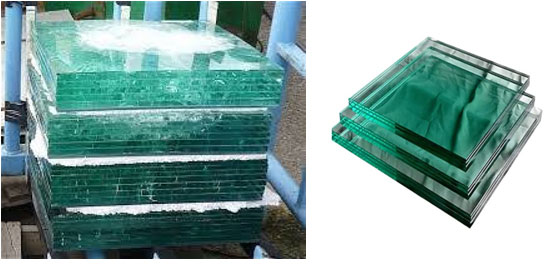
Ballistic glass lamination systems involve the integration of glass and polymer layers to achieve specific optical quality and ballistic performance objectives. The lamination process is engineered with critical parameters in mind, including post-impact crack control, fragmentation behavior, and multi-hit resistance. Interlayer selection and layer configuration are determined according to threat levels and weight requirements. These systems ensure consistent performance in transparent armor applications.
Honeycomb Core-to-Face Sheet Bonding
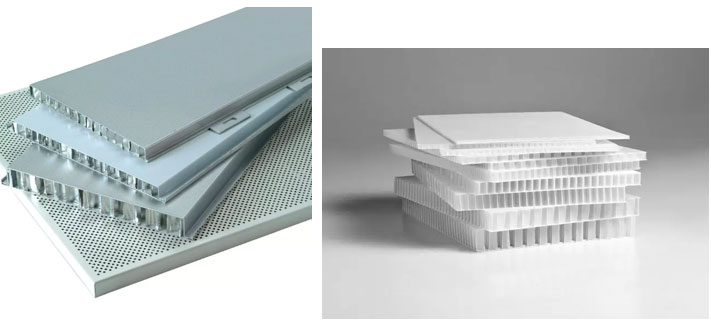
Honeycomb core-to-face sheet bonding is a critical integration process that determines the mechanical strength and impact absorption performance of sandwich structures. Metal or composite honeycomb cores are bonded to face sheets using appropriate structural adhesive systems under controlled conditions. The bonding method is optimized according to load-bearing capacity, shear strength, and environmental durability requirements. This approach is widely used in armored structures and lightweight structural systems.
Defense and Aerospace Structural Assembly Applications
Defense and aerospace structural assembly applications involve critical joining processes that require high reliability and repeatability. The assembly of metal, composite, and hybrid structures utilizes a combination of structural adhesives, mechanical fastening systems, and controlled manufacturing processes. Assembly designs are engineered with consideration for load transfer, vibration, thermal effects, and environmental conditions. These applications play a key role in ensuring platform integrity and long-term operational performance.
