
Aerospace Aluminum Alloys
Aerospace aluminum alloys are classified into different alloy series to meet requirements for high strength, corrosion resistance, and low weight. The 3000 series offers excellent formability and corrosion resistance, while the 5000 series, particularly alloy 5052, is widely used in marine and structural aerospace applications. For demanding high-performance applications, advanced alloy groups such as the 9000 series are often preferred. Alloy selection is determined based on mechanical requirements, environmental conditions, and manufacturing processes.

Titanium Alloys
Titanium alloys are widely used in defense and aerospace applications that require high specific strength, corrosion resistance, and elevated temperature performance. Commercially pure titanium as well as alpha and alpha-beta alloy groups provide varying levels of performance for structural components, fasteners, and armor applications. Widely used alloys such as Ti-6Al-4V are particularly valued for their excellent strength-to-weight ratio in critical structural components. Alloy selection is determined according to mechanical loads, environmental conditions, and manufacturing methods.
High-Strength Specialty Steels
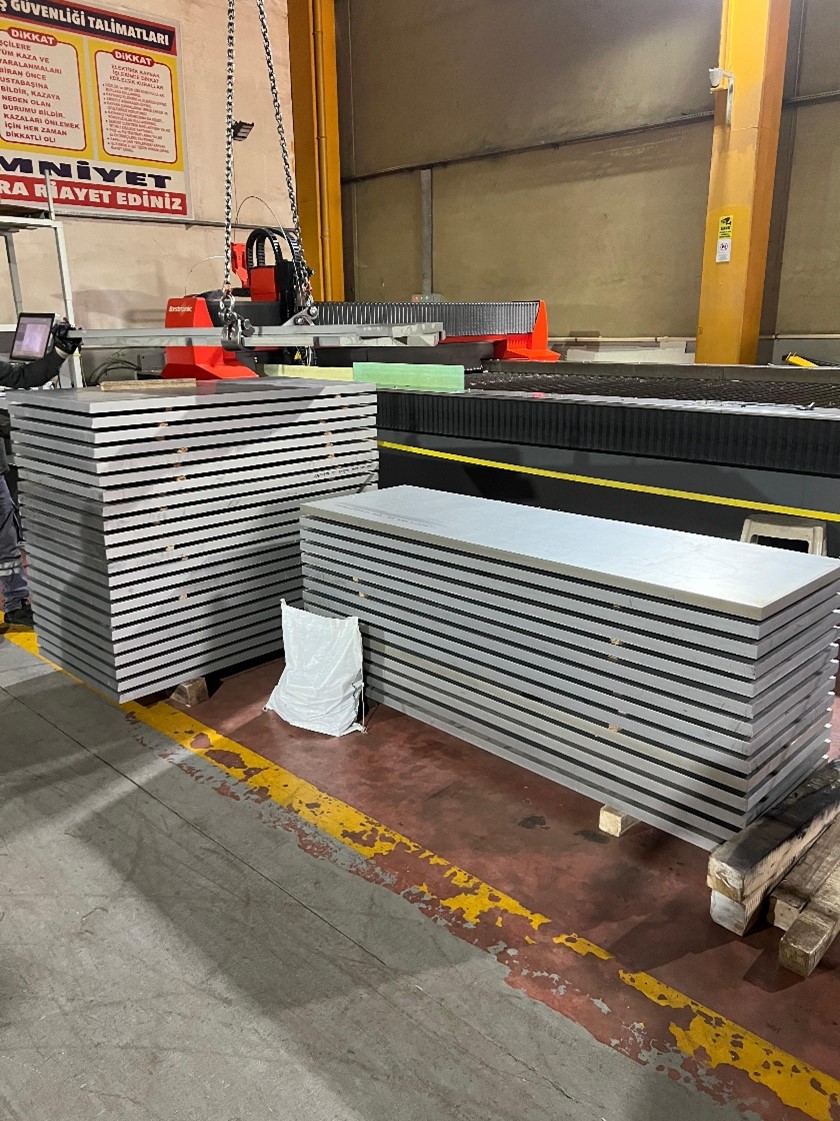
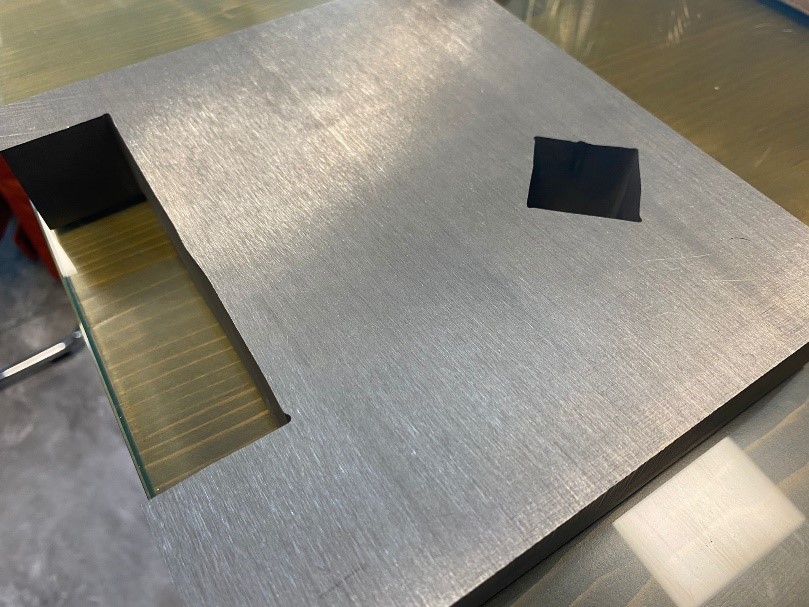
High-strength specialty steels are used in defense and industrial applications where ballistic resistance, wear resistance, and structural strength are critical requirements. Low-alloy, martensitic, and high-hardness steel grades can be configured to address different threat profiles and loading conditions. Heat treatment and surface characteristics directly influence the mechanical performance and ballistic behavior of the material. These steels provide reliable solutions for armor systems and load-bearing structural components.
Sourcing in Compliance with Defense and Aerospace Standards
Sourcing in compliance with defense and aerospace standards is a critical capability that ensures advanced materials are properly selected, verified, and supplied in accordance with stringent regulatory requirements. Materials are evaluated based on compliance with applicable defense, aerospace, and industrial standards, as well as documentation and traceability requirements. The sourcing process is supported by supplier qualification, manufacturer verification, and technical compliance assessments. This approach ensures quality consistency, operational reliability, and long-term project success.
Let's Select the Right Alloy for Your Technical Requirements 